Epēshu
General InformationOther NamesMarble City
LocationNorthwestern shore of Leponnia, near the Marble Gulf
TypeCity-State
People and HistoryInhabitantsPatrin, Trogmunders
EventsSack of Lepon
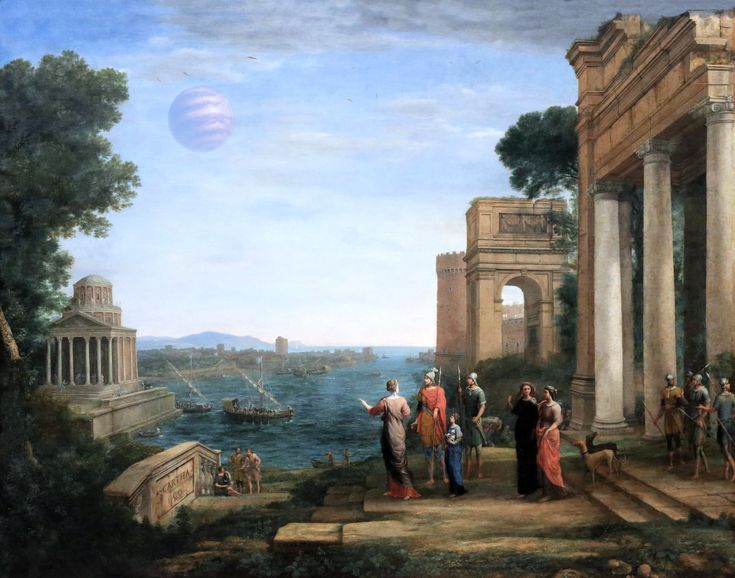
Epēshu is a Patrin city-state on the Leponnian Peninsula. It is counted among the eight Māgosh, which are the most powerful cities of Patrinor.
Epēshu competes with Hordon for dominion over the Marble Gulf. It also exerts much influence over the lands of Pēshunor and Lamor.
It is a city famed for its marble-work and mercantile culture. Epēshu also has a sizeable population of Trogmunders that emigrated from the Home Islands.
Description
Epēshu is set along the Leponnian coast, with the White Sea to its west, forests and farmlands to its south and east, and a line of hills to its north. A crumbling inner wall rings a portion of the city in, dividing its older, richer districts from the newer, poorer ones.
Inner City
Most of Epēshu’s most reputable establishments, organizations, and individuals are housed within the wealthy inner city.
Harbor
A disorganized array of wharves, docks, and jetties line the inner city’s shore. Informally these docks are split by the populace into two halves:
- Wood Quay: The original port district of the city. Its docks are wooden, often rotted, and frequented by smugglers and less successful merchants.
- Whitestreet: The modern, southern port district, named for the blocks of marble that often spill out of its warehouses.
The traditional point of division between Wood Quay and Whitestreet is the Necropolis of the Founders. The original Patrin settlers constructed the beginnings of their village there, but it was long ago converted into a tomb city for them and other notable figures of the city. A lattice of catacombs runs beneath it.
The Blue Temple rests on the northern edge of Wood Quay. It is dedicated to Thobrauk Tegendes, Epēshu’s patron deity, and the docks about it are kept in comparatively good repair.
Bangeph Rock, a tall and smooth tine of stone, juts out of the water in the center of the bay. Vultures circle it.
Epēshīn Forum
This is the heart of the city, where important matters of governance, business, and law are debated. Overlooking it is Gimīlahar Restored, a marble statue commemorating the tenth Patermāgor and her triumph over the usurper Tōs-Gither.
There are a number of notable buildings surrounding and near the Forum:
- Curia of the Senate: The building where the senate of Epēshu convenes.
- Relkhonak: The palatial villa of the Surīhurūk (“governor, consul”).
- Māmban: A vast garden containing many exotic and rare plants. The city granaries are also held here.
- Temple of the Ekromatkar: A gilded temple run by the cult of Palagon Patermāgor, who unified the Patrin Empire.
- Thūkīn Amphitheater: An oval amphitheater that regularly features gladiatorial bouts, demonstrations of magic, plays, and other such spectacles.
The Road that Walks with the Sun passes through the Forum before turning to Tamaron in the east.
Marble Quarter
Much of the city’s masonry, stonework, and sculpting workshops (for which it is renowned) are housed within the Marble Quarter, which lies in the inner city’s northeast. Many shops, markets, and plazas are housed here.
Outer City
The most notable districts of Epēshu’s outer city are:
- Outwall: A downtrodden slum that stinks of pigsties and stables.
- Eelwynd: A coastal neighborhood known for its fish markets and violent reputation.
- Kohabron: Originally a separate town, Kohabron merged with Epēshu as the Māgos grew larger and larger. The denizens of Kohabron still hold on to a strong cultural identity independent of the main city.
- Old Quarry Lot: Once the city sourced most of its marble from this location, but it was long ago stripped bare. There are few trees or other plants there. The Black Barghest, a large inn and important gathering place for the poorer parts of the city, is in Old Quarry Lot’s north.
Beyond the City
- Mount Mastery: The tallest hill overlooking the harbor. Many rows of trophies and tokens from victories in Epēshu’s past have been planted into its peak.
- Fairy Arch: A pair of perpendicular arches that intersect at their peaks. It lies deep in the woods outside the city. None know who built it or what its purpose is.
Government
Epēshu is ruled by a hundred senators, who are presided over by an official known as the Surīhurūk (“governor, consul”). Traditionally, the citizenry hold an election for a new Surīhurūk once every two years.
These are the three main political factions within the city:
- The Eshbrīn (populists)
- Currently the dominant party in the senate
- Surīhurūk Hethel of the Mālaz clan is their leader
- Implementing reforms in the city, increasing the grain dole, strengthening the Surīhurūk’s personal guard, possibly trying to take advantage of the army’s absence and establish a tyranny
- The Orondēs (conservatives):
- Led by Pebros, commander of the city’s army; he was off on campaign but is now returning to the city, presently camped outside the ruins of Lepon
- Liable to take advantage of the army’s loyalty to Pebros, securing more power for themselves through military might
- Supported by the Lektān, as Pebros is known to be very religious
- The Lektān (priesthood):
- Led by Tuk Lektān (“high priest”) Ishkibal
- Worship chiefly Thobrauk, who is the city’s patron deity
- Declaring that the giant storm rolling over the city is an omen of the Gods, and claiming that “great things” are to come this upcoming Yuleday
- In support of General Pebros of the Orondēs, as he is known to be a very religious man
History
Epēshu was founded in the 1st or 2nd century A.B. by Patrin settlers. Their original village was later refitted as a necropolis for esteemed individuals after the city grew beyond it.
It swore fealty to Palagon Patermāgor with the rest of Leponnia following his exile from Cyrikon.
After the Nepotic Conspiracy where Tōs Gither the Rebel usurped the emperorship from his aunt Gimīlahar, the people of Epēshu assisted the deposed empress in her quest to reclaim the throne. When Lepon was despoiled by Gimīlahar, Epēshu replaced both its role as the imperial capital and as the Māgos that ruled over the Marble Gulf.
Following the War of the Patrons, Epēshu declared itself a free city and divorced itself from the Empire.
In the last days of 1374, the party arrived in Epēshu. A vast bank of stormclouds settled above them shortly after.1
Map
