Leponnia
The mountains of Rhoshkhon in Leponnia’s south
General InformationLocationWestern Patrinor, beside Horat
TypeRegion
DescriptionPeninsula of forests, dry plateaus, and mountains
RegionsPēshunor, Lamor, Aura-hoth-Hanath, Dranimos, Rhoshkhon, Paerāndas
Major CitiesDrāmūz, Lepon, Epēshu, Tamaron
People and HistoryInhabitantsPatrin
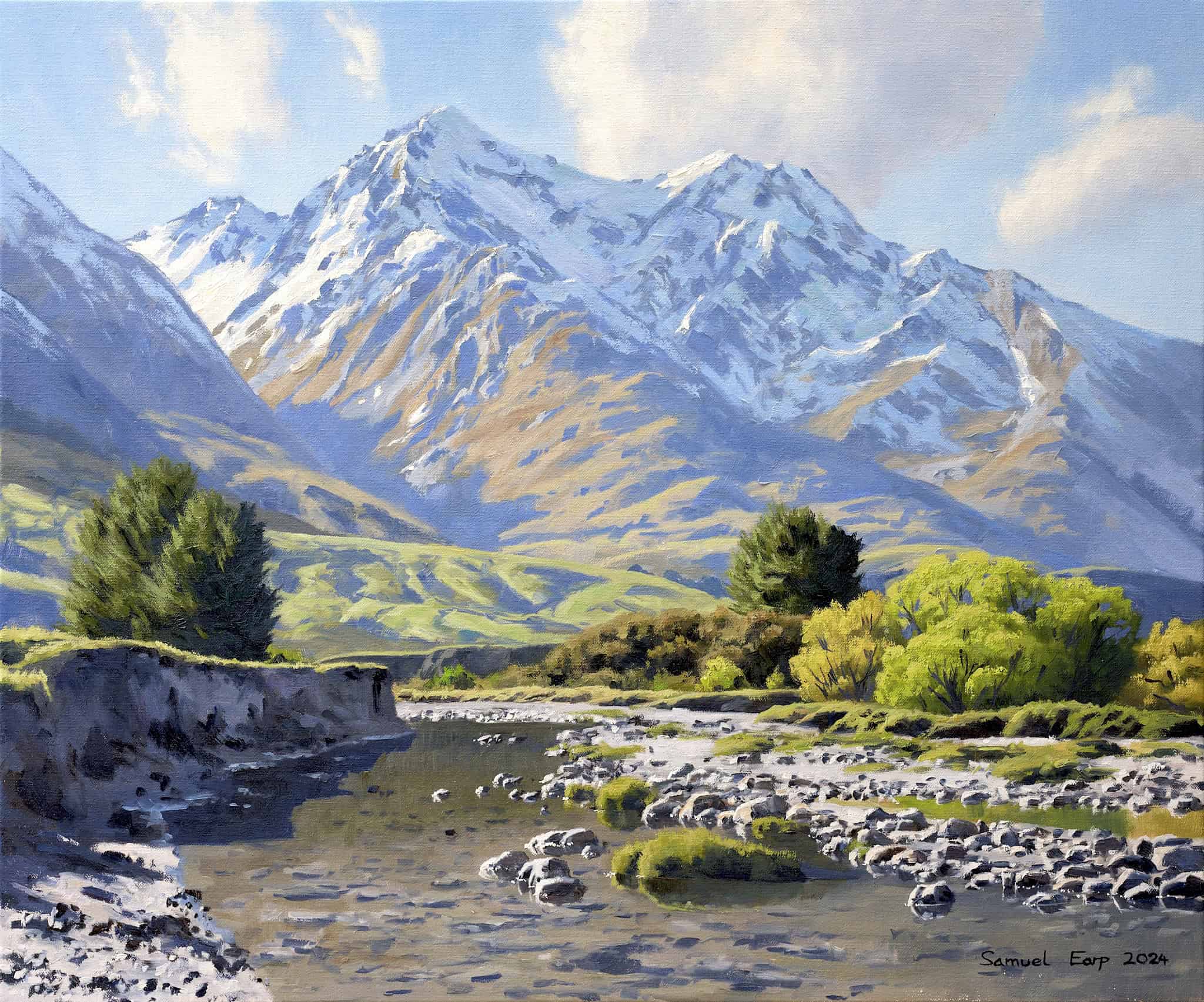
Leponnia is a large peninsula in west Patrinor. It is a wealthy region known for its mercantile, seafaring culture, and many of the Patrin colonies founded in Rhusagos can trace their heritage to the peninsula.
Description
The Leponnian Peninsula extends into the northwest, and is bounded by the White Sea to the south and west, and by the Great Chasmous Sea to the north. Its eastern limits are traditionally held to be the line between the cities Kardunash and Nhagi. The Azrāken divides Leponnia from the island Horat.
Leponnia’s peoples are organized into city-states, notably the Māgosh Drāmūz, Epēshu, and Tamaron. Each maintains political autonomy, lacking a shared national identity between them.
The interior of the Leponnian peninsula is a dry plateau, though it is surrounded by rich farmland, and snow can be found at its highest points. Sūs Gimīlīn (“Mount Star”) is the greatest of its mountains.
Forests run along its coasts.
To the north, waves break against the Paerāndas, a ragged archipelago full of sharp rocks, cliffs, shallows, and caves. Pirates lurk there.
Imperial Provinces
In the time of the Patrin Empire, Leponnia was divided into three administrative provinces:
- Leponnia Drāmūzīn, being the southern coasts and foothills around Drāmūz
- Leponnia Kaugrīn, being the northwestern tip of the peninsula, containing Lepon, Epēshu, and the Paerāndas
- Leponnia Tanrīn, being the lands about Tamaron and the inland plateau up to Sardil
History
Leponnia was settled by the Patrin in the 1st-3rd centuries A.B. Initially, its greatest cities were Drāmūz, Lepon, and Tamaron.
It was the first region to swear fealty to Palagon Patermāgor in his wars to found the Patrin Empire. Therefore some of the early Patermāgors held their courts in Lepon in the northwest, especially after the Great Fire of Cyrikon.
In the 8th century A.B. came the Nepotic Conspiracy, a succession crisis that erupted after the death of Aran, the ninth Patermāgor, in 735. Opposition to his daughter Gimīlahar had grown for years, as many among the Patrin distrusted her Horatine birth and upbringing. After only four years on the throne, she was deposed by her nephew Tōs-Gither, who enjoyed the support of Leponnia and Rubea. Gimīlahar fled to Horat, her homeland, where she spent five years gathering allies before returning with an army in 744. Secretly moving her forces into Epēshu and Tamaron, which had remained loyal, Gimīlahar surprised the usurper with her attack, quickly cornering him in Lepon, his capital. The city was besieged and sacked the following year, Tōs-Gither was killed, and Gimīlahar was restored to the throne.
Thereafter Lepon’s influence over the Empire was greatly reduced. Ultimately, it lost its status as a Māgos, its role as the most prestigious city on the Marble Gulf being replaced by Epēshu.