Westermen
General InformationOther NamesRelkhim (P)
LocationsRelkor, the Sargāzat, northern Alensis
AffiliationHouse of Regimen, Once-Realm
RivalriesPatrin
LanguagesWestern, (if educated) some Classical Paternic
MembersLeon Mallister, Shiv Mathor, Rennick, Regimen Māgor
Physical DescriptionDistinctions Fierce warriors and tribesmen
HairMostly brown, some red and blond
SkinWhite
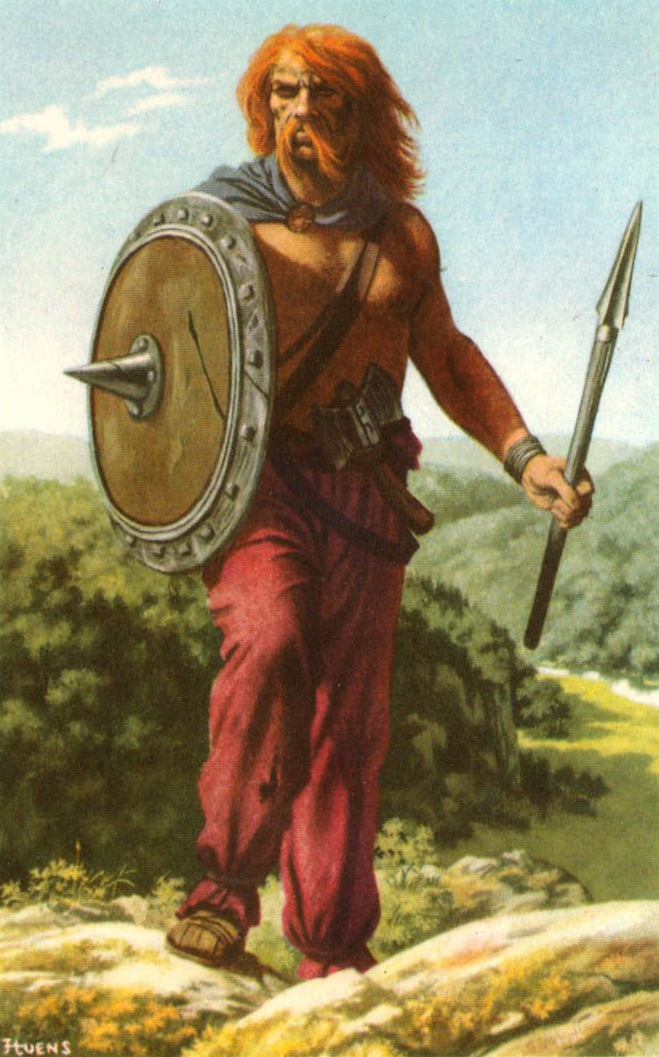
The Westermen are the collection of peoples that dwell in Relkor (or Westerland). They are made up of many tribes, most of whom built large fortified settlements and minted their own coins. Once, Westerland was united under the House of Regimen, but that government has since collapsed into the Once-Realm, and the tribes of the Westwood have been left to their own devices.
List of Tribes
The following are the most powerful tribes of Westerland:
- Crugonites
- Lazarenes
- Pēgae
- Regimen’s Folk
- Tyranthites
- Wyrdans
History
Almost nothing can be said about the origin of the Westermen, except that they are Men and that they probably lived near the Sunny Mountains during the Last War, before radiating out to the rest of Westerland.
In the mid-to-late 8th century A.B., Regimen Māgor, remembered among his own people as Ruw Gwenen (“King Bee”), consolidated the disparate clans and villages of the Westermen into a single kingdom, eventually vassalizing the city-states of the western Sargāzat and befriending the horse-tribes of Fost.
Regimen’s kingdom came into conflict with the Patrin Empire in 826 when Nen-Hāspis entered into campaign against the Ithrim, who were his subjects. This marked the start of the Gutter Wars, which lasted seventy-five years. Though the forces of the Westermen achieved many victories against the Empire in the early part of the war, the long conflict slowly eroded Westerland’s power, and the House of Regimen was ultimately defeated.
Then the tribes of Westwood Forest were made into tributaries of Patrinor, which remained their suzerain till it entered the Long Decline.
In the centuries that followed, the House of Regimen declined greatly, holding only the lands centered around the city Summarch. Its end finally came in 1374, when Rennick, Grandmaster of the Allhammers, slew the last heir of Regimen in the Siege of the Seat, claimed his titles, and declared himself King of Westerland. The tribes of the Westermen swore fealty to him shortly after, seeing in him the strength of Regimen of old.
Culture
Blank
An example of a Westermen ringwall
Most of the Westermen organized themselves into tribes, each of which had a council of elders. Some were ruled by kings while others elected magistrates. Almost always there has been no unity amongst the tribes; only Regimen (his line kept all the tribes together for three kings after) and Rennick have ever gathered the Westermen under a single leader.
The villages of the tribes are usually set on hills or other such defensible locations. They like to build rings of ditches and earthen ramparts, crowned with fences and stakes, for their outer defenses. Some of the larger cities, like Summarch, use tall palisades and stonework as well. The planned city of Kingly Mickleburg, now ruined, was unusual in that it had large, entirely stone walls, a feat of engineering signifying the wealth and power of the House of Regimen.
Etymology
The Paternic name for the Westermen, Relkhim, comes from the word rālek (“west, west wind”) and the suffix -(r)im (“denotes communities and ethnicities”).